Introduction
Dysphagia, or problem in swallowing, is a problem that affects lots of individuals, specifically the senior and those with neurological conditions. It can considerably impact an individual's lifestyle, bring about complications such as poor nutrition, dehydration, and even respiratory system infections. For carers and doctor, comprehending how to manage dysphagia is essential. This short article aims to give detailed insights right into dysphagia management and the important dysphagia training for carers.
Dysphagia Management 101: What Every Carer Must Learn
Understanding dysphagia is the first step toward reliable management. Carers play a vital function in sustaining people with this problem by ensuring they obtain suitable care tailored to their needs.
What is Dysphagia?
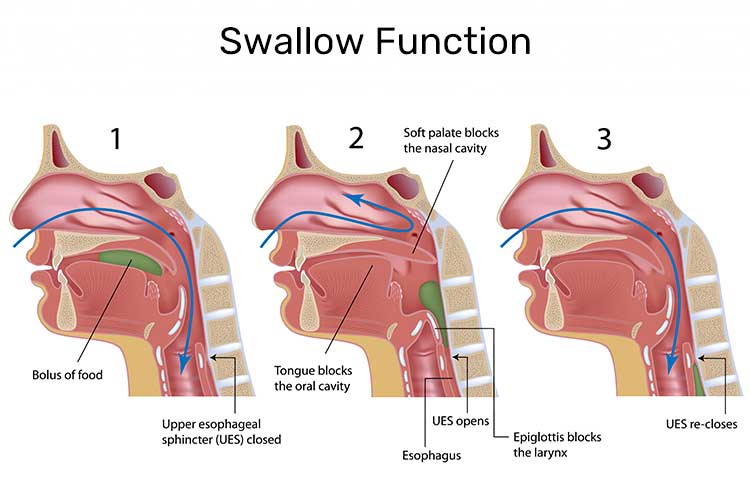
Dysphagia refers to difficulties in ingesting that can happen at any phase of the ingesting procedure-- from the mouth to the esophagus. It's necessary to identify that dysphagia can materialize in various kinds:
- Oral Phase Dysphagia: Trouble chewing or moving food in the mouth. Pharyngeal Phase Dysphagia: Difficulty launching a swallow or feeling like food is stuck. Esophageal Phase Dysphagia: Problems with food going through the esophagus.
Causes of Dysphagia
Several hidden problems can result in dysphagia:
Neurological Problems: Stroke, Parkinson's disease, multiple sclerosis. Muscular Conditions: Conditions influencing muscle mass control, like muscle dystrophy. Structural Abnormalities: Tumors or strictures in the esophagus. Aging: All-natural wear and tear on muscular tissues associated with swallowing.Signs and Symptoms of Dysphagia
Carers must be attentive for indications of dysphagia, which might consist of:
- Coughing or choking during meals Sensation of food getting stuck Frequent heartburn or acid reflux Unexplained weight loss
The Value of Dysphagia Training for Carers
When it involves providing look after individuals with dysphagia, training ends up being critical. Below's why:

Enhancing Knowledge and Skills
Dysphagia treatment training gears up carers with essential expertise about:
- Identifying signs early Understanding different sorts of dysphagia Implementing safe feeding strategies
Building Confidence in Caregiving
With correct education and learning from a dysphagia training course, caregivers can approach feeding times with more self-confidence, minimizing anxiousness for both the carer and the individual being cared for.
Improving Client Outcomes
Research shows that trained team substantially enhance individual outcomes with much better nutrition intake and reduced threats of ambition pneumonia.
Types of Dysphagia Training Courses Available
There are various choices when it involves dysphagia training courses customized for different staff members.
Dysphagia Training for Nurses
Nurses often have frontline responsibilities when managing clients with ingesting troubles. Specialized training aids them comprehend clinical analyses and treatments essential for effective care.
Dysphagia Training for Care Staff
This kind of training focuses on practical techniques that caregivers can carry out daily while supplying treatment in the house or within facility settings.
Online vs. In-person Training Programs
Both formats provide distinct advantages:
|Layout|Advantages|| -----------------|--------------------------------------------|| On the internet|Adaptability, self-paced knowing|| In-person|Hands-on experience, direct feedback|
Understanding Feeding Techniques for Clients with Dysphagia
Knowing how to assist a person with consuming securely can protect against significant health difficulties related to dysphagia.
Modified Diets: The Key to Safety
One typical approach includes customizing diet structures based upon individual needs:

Implementing Modified Diets
Carers must get in touch with nutritional specialists when carrying out changed diet regimens to make sure dietary adequacy while resolving safety concerns.
Communication Methods When Handling Dysphagic Patients
Effective interaction is vital when collaborating with individuals experiencing dysphasia.
Using Clear Language
Always utilize straightforward sentences and speak slowly; avoid lingo that may perplex your patient.
Non-verbal Communication
Gestures or faces can additionally communicate suggesting effectively-- this typically aids recognizing more than spoken interaction alone.
Recognizing Goal Threats in Patients with Dysphagia
Aspiration happens when food or fluid goes into the airway rather than the belly-- a substantial danger consider individuals experiencing dysphasia.
Signs of Goal Events
Be alert for these indications:
- Sudden coughing after eating Changes in voice top quality (wet-sounding) Fever without clear explanation
Immediate Activities if Aspiration Occurs
If you presume aspiration has actually happened:
Stop feeding immediately. Assess breathing; seek emergency assistance if necessary. Document any events for health care specialists' review.Creating an Effective Care Plan for Clients with Dysphasia
A well-shaped care strategy guarantees each individual gets personalized interest based on their special needs and circumstances.
Components of a Treatment Plan
Assessment Outcomes: Paper findings from clinical assessments. Dietary Adjustments: Specify texture adjustments needed. Scheduled Monitoring: Regular check-ins on swallowing security throughout meals. Family Education and learning: Supply guidance on supporting loved ones at home.Training Resources Available for Carers
There are countless sources offered now more than ever!
Online Educational Platforms
Consider credible platforms using training courses particularly made around "dysplhigia training." Look out for extensive programs that cover analyses and intervention techniques thoroughly.
FAQs Concerning Dysphasia Management
What prevail causes of dyslexia?- Several elements add consisting of age-related changes & & underlying medical problems like strokes or ALS.
- Watch out for indications such as coughing/choking throughout meals & & adjustments in voice post-swallowing!
- Absolutely! Discover various courses concentrating on everything from standard awareness up via advanced treatment techniques!
- Yes! Lots of reputable companies supply flexible online choices which cater straight in the direction of caretakers' knowing needs!
- An important one! Adjustments made according to specific needs aid ensure more secure consuming experiences while lessening danger elements associated with aspiration events!
6. Should family members be educated too? - Absolutely! Informing family members boosts support systems outside formal caregiving setups making shifts smoother overall!
Conclusion
Navigating via the intricacies surrounding dysplasia monitoring is no tiny task; nevertheless armed with expertise gotten with reliable training programs tailored explicitly in the direction of treatment staff we empower ourselves as supporters that champion those having dysphagia training course listings a hard time daily against this debilitating problem! By prioritizing continual education and learning-- be it through committed courses concentrated only upon enhancing ability related directly towards handling our customers' unique obstacles-- we pave paths leading towards boosted end results across all fronts making certain dignity continues to be undamaged also in the middle of difficulty faced due simply since someone has difficulty swallowing ...
By investing time right into getting complete understanding regarding just how finest support influenced individuals with each other allow us rise over obstacles posed by diseases afflicting plenty of lives worldwide today!