Introduction
Dysphagia, or trouble ingesting, is a condition that impacts millions of individuals worldwide. For those who experience it, dysphagia can bring about severe health and wellness difficulties, including poor nutrition, dehydration, and ambition pneumonia. As the population ages and more people deal with persistent health problems, understanding and managing dysphagia has ended up https://telegra.ph/Buying-Expertise-Why-Every-Carer-Needs-Dysphagia-Training-03-25 being progressively vital. However, recognition alone isn't enough. The need for extensive training programs for caregivers, registered nurses, and care personnel is vital in making sure that dysphagia is taken care of effectively. This article checks out various facets of dysphagia awareness and emphasizes the importance of organized dysphagia training courses.
Dysphagia Training for Carers: Comprehending the Basics
What is Dysphagia?
Dysphagia describes problems in ingesting food or liquids. It can arise from numerous causes, consisting of neurological disorders such as stroke or Parkinson's disease, architectural abnormalities in the throat or esophagus, and certain cancers.
Why Carers Required Specialized Training
Carers often play a frontline duty in sustaining individuals with dysphagia. Without correct training, they may not identify signs and symptoms early or comprehend how finest to help individuals throughout mealtimes.
Key Elements of Dysphagia Training for Carers
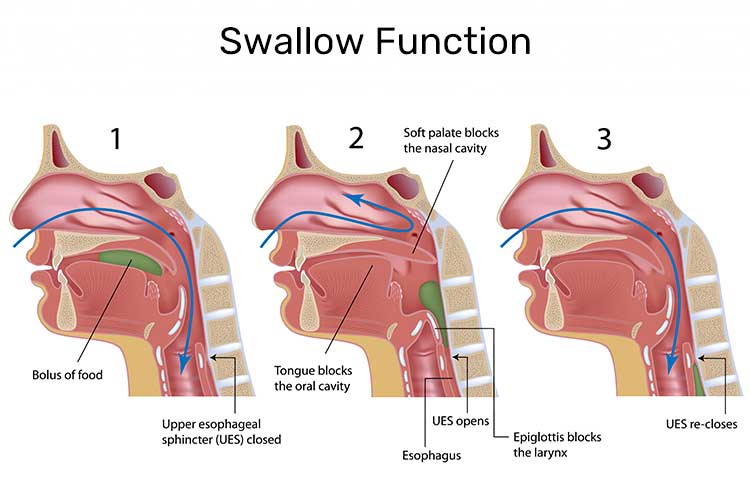
- Understanding Makeup: Familiarity with the anatomy involved in ingesting helps caretakers recognize potential issues. Recognizing Signs: Symptoms like coughing while consuming or excessive throat cleaning should be identified promptly. Safe Feeding Techniques: Expertise about proper food structures and feeding placements is critical.
Dysphagia Training for Treatment Personnel: Important Skills
The Function of Treatment Staff in Taking Care Of Dysphagia
Care team are integral to offering assistance within medical care settings. Their responsibilities frequently expand past standard care regimens to consist of tracking people' dietary consumption and security during meals.
Core Abilities Required
Assessment Abilities: Staff should be trained to evaluate a person's ingesting ability. Emergency Feedback: Recognizing how to react if an individual chokes is crucial. Effective Communication: Clear communication with other healthcare professionals pertaining to a person's demands is vital.Dysphagia Treatment Training: Connecting Understanding Gaps
Importance of Evidence-Based Care
Dysphagia care need to be based on existing study and best practices to ensure security and efficiency. Ongoing education via specialized training programs plays a considerable duty in linking understanding spaces among caregivers and health care providers.
Structure of Reliable Dysphagia Treatment Training
- Workshops: Interactive workshops can give hands-on experience. E-Learning Modules: Flexible on the internet training courses make it simpler for treatment team to engage with training products at their own pace. Simulation Exercises: Sensible simulations boost understanding and preparedness.
Dysphagia Training Program Summary: What's Included?
Curriculum Development
A well-shaped dysphagia training course should encompass various subjects appropriate to caregivers and health care experts alike.
Sample Educational program Topics
- Introduction to Dysphagia Anatomy & & Physiology of Swallowing Assessment Equipment & & Techniques Nutritional Considerations Intervention Approaches Communication & Paperwork htmlplcehlder106end &.
Dysphagia Training for Nurses: A Specialized Focus
Nurses as Principal in Dysphagia Management
Nurses are often the very first line of protection when it comes to identifying people in jeopardy for dysphagia. Their substantial call with individuals positions them in a special placement to observe changes over time.

Specific Areas of Focus in Nursing Education
Patient Evaluation Skills Collaboration with Speech Therapists Patient Education TechniquesInnovative Methods in Dysphagia Training Courses
Incorporating Modern technology right into Learning
Utilizing modern technology can boost the learning experience for those undergoing dysphagia training by making information more easily accessible and engaging.
Examples Include:
- Virtual Truth Simulations Online Discussion Discussion forums Mobile Applications for Quick Referral
The Relevance of Interprofessional Collaboration
Working With each other for Much better Outcomes
Interprofessional partnership between registered nurses, speech therapists, dietitians, and various other specialists can cause boosted results for patients suffering from dysphagia.
Benefits of Collaborative Practice
Improved Individual Safety Holistic Strategy to Care Enhanced Professional AdvancementReal-Life Case Studies on Effective Dysphagia Management
Learning from Success Stories
Analyzing successful case studies boosts understanding by supplying practical instances of efficient techniques executed through detailed training programs.
Example Case Study: A Stroke Client's Journey
An in-depth check into exactly how collaborated care among numerous professionals substantially enhanced the quality of life for a stroke survivor suffering from dysphagia highlights the power of expertise sharing.
Assessing Present Dysphagia Awareness Levels
Surveys and Research study Findings
Conducting studies among caregivers reveals that many lack ample knowledge concerning handling dysphagic people effectively.

Key Findings:
- Over 60%really felt not really prepared when handling dishes for people with swallowing difficulties. Less than 30%had obtained official training related especially to dysphasia management.
Challenges Encountered by Caregivers Without Correct Training
Identifying Usual Pitfalls
Without thorough training programs on dysphasia understanding, caregivers might come across a number of difficulties:
Inadequate Monitoring-- Problem recognizing signs that suggest intensifying conditions. Food Selection Mistakes-- Lack of understanding pertaining to appearance adjustments essential for various degrees of dysplasia severity. Poor Interaction-- Falling short to relay vital information between shifts or divisions can cause hazardous practices.FAQ Section
What is dysphasia? Dysaphasia refers especially to language problems instead of physical ingesting troubles; however, both problems may occur all at once after neurological occasions like strokes.
How long does it require to complete a normal dysplasia course? Many training courses range from someday workshops up with multi-week certifications depending upon their complexity degree targeting specific audiences (nurses vs basic carers).
Are there any type of government policies pertaining to caretaker education on this topic? Yes! Many countries have developed standards that mandate ongoing expert development worrying medical problems influencing vulnerable populaces consisting of those affected by ingesting difficulties.
What resources exist online for added learning? There are countless respectable internet sites providing complimentary resources such as webinars/educational videos concentrated on boosting understanding about this topic; organizations like ASHA(American Speech-Language-Hearing Organization )offer exceptional tools!
Is there any type of economic support available when seeking these educational opportunities? Numerous grants/scholarships exist targeted at assisting health and wellness experts progress their ability-- examine local neighborhood colleges/universities providing these types!
How do I understand if I need specialized training myself? If you function directly with people experiencing any type(s)related toward ingesting problems regularly-- think about looking for relevant instructional alternatives available near you!
Conclusion
In verdict, achieving meaningful enhancements in the monitoring of dyslexia calls for dedication from all stakeholders entailed-- particularly those charged with straight treatment provision! Comprehensive education/training programs concentrating explicitly on this location stand poised not just foster greater individual confidence yet inevitably promote far better outcomes across entire communities-- making sure every voice obtains listened to loud & clear progressing! As we establish our understanding around"Dyslexia Recognition: The Need for Comprehensive Training Programs,"let us remember its value impacts much beyond simply our private roles-- it talks volumes towards cumulative progress made together!